
Wooden vs Metal Fencing: Which Is Best for Bedfordshire Homes?
Across Bedfordshire, we work with a real mix of homes, from older village cottages through to modern estates, and fencing choices tend to fall into two main camps: traditional wooden fences and modern metal fences. In this article, we will walk through how timber and metal fencing compare in each of these areas, using our own installation experience locally and the performance we see over time in the Bedfordshire climate.
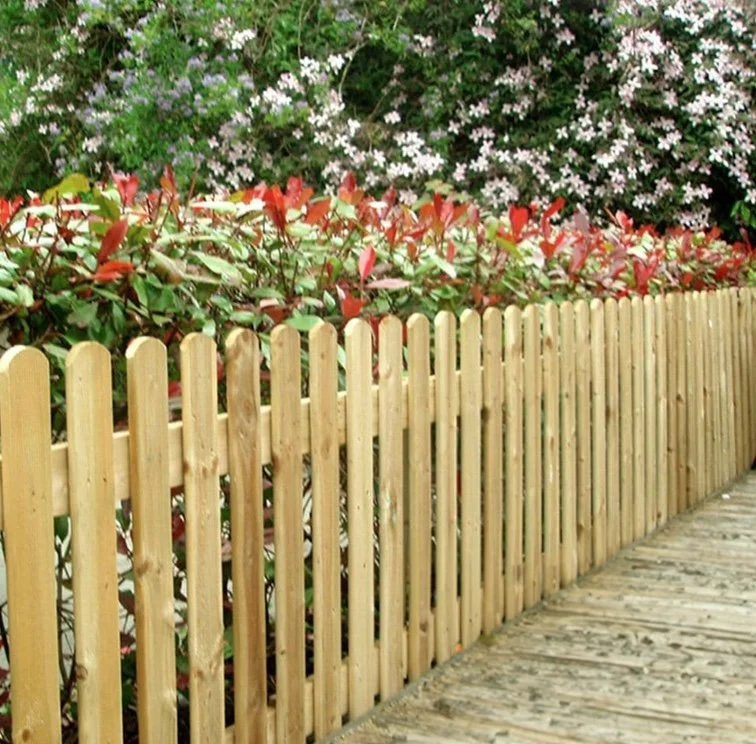
The county’s weather is a big factor in fence performance. We see the usual British pattern of wet winters, occasional storms and hot, drying spells in summer, all of which are tough on outdoor materials.
Timber responds to moisture and temperature by expanding, contracting and gradually losing its factory‑fresh appearance unless it is regularly treated.
Galvanised and coated steel systems, such as ColourFence and ColourRail, are engineered to resist these conditions for decades with very little attention, which is why we offer 25‑year guarantees on these products. That difference in maintenance alone is often enough to tilt the balance for busy households and older homeowners who do not want regular painting on their to‑do list.
Wooden vs Metal Fence Appearance
From a visual point of view, both wooden and metal fencing can look excellent when chosen and installed carefully for the style of the property. Timber has a natural warmth and familiarity that suits many of the traditional homes we see in Bedfordshire’s villages and older suburbs, and it can be stained or painted to coordinate with sheds, pergolas and external joinery.
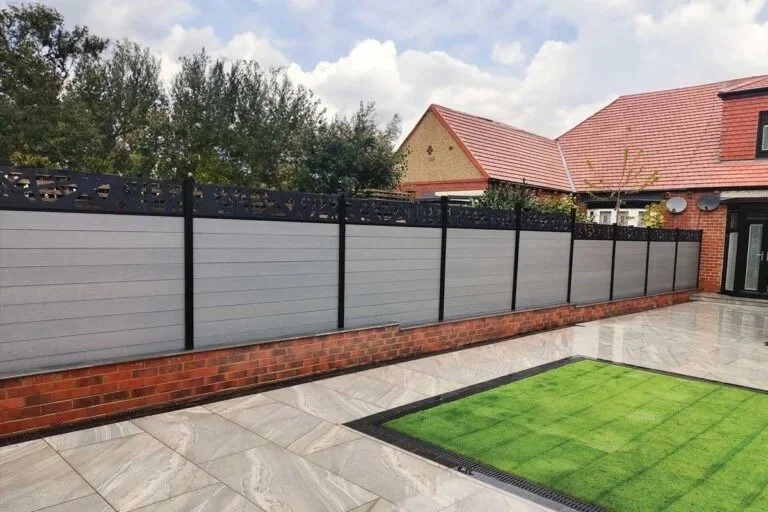
Metal fences like ColourFence, on the other hand, offer a clean, contemporary look with a choice of colours and panel designs, which can work particularly well on newer estates or where you want a sleek, coordinated boundary. Because these panels are made in consistent colours and finishes, they tend to look fresh and smart for much longer than painted timber, which gradually weathers and fades over time.
One thing we emphasise during surveys is that “metal fencing” no longer means ornate wrought iron or very industrial mesh only. Modern steel fence panels are designed specifically for gardens, with privacy‑friendly formats and colour choices that blend into planting rather than shouting for attention.
Durability of Wooden vs Metal Fencing
Timber fencing can last well if it is built from good‑quality treated wood, set on solid posts and maintained with regular protective coatings. However, even with care, we routinely replace timber panels that have begun to rot at the base, warped after repeated wetting and drying, or blown out by storms once fixings loosen over time. In practice, many wooden fences need sections replaced or significant repairs after 10–15 years, especially where posts were not concreted properly or where the garden is exposed to strong winds. That cycle of repairs is something we talk about honestly when customers are comparing timber with metal.
Metal fencing, particularly galvanised and coated steel as used in ColourFence, is designed with longevity as a core feature, which is why we are comfortable offering 25‑year guarantees against corrosion. The steel is protected against rust, and the finish resists peeling, cracking and fading over decades, meaning there is no need for repainting or staining. For most of our customers, the ongoing “maintenance” of these fences is limited to a simple rinse with a hose if dust or algae build up in sheltered spots. Over a 20‑plus‑year period, that low maintenance and lack of replacement panels can outweigh the higher initial cost, particularly when you factor in your own time and effort.
Security, privacy and practicality of Wooden vs Metal Fencing
Security is another area where the choice of material makes a difference. A well‑built timber fence gives a strong sense of enclosure and privacy, but panels can be kicked through or climbed if they weaken over time. For homes that back onto footpaths, open land or busier roads in Bedfordshire, many customers tell us they want something more robust and harder to breach. Metal systems offer enhanced strength and resistance to impact, and designs can be chosen to discourage climbing while still looking smart and domestic. This can be especially reassuring for households with children or pets, or for properties that have had security concerns in the past.
Privacy is excellent with both solid timber and ColourFence‑type panels, which are specifically designed to eliminate gaps and provide a continuous screen. In contrast, more open metal railings (such as ColourRail) work well where visibility is important, for example, across front boundaries or around driveways, while still defining the boundary and adding a quality finish. Because we supply and install both wooden and metal options, we can talk openly about what will suit your layout and neighbours, and even mix materials if you want privacy in one area and visibility in another. For authoritative general advice, organisations such as Citizens Advice and your local council’s website offer guidance on boundaries and neighbour agreements, which can be useful background before you make changes.
Cost of Wooden vs Metal Fencing
When cost is the main concern, timber almost always comes in cheaper at the quotation stage for a standard back‑garden run. That lower upfront price makes it attractive if you need to replace a long boundary urgently or are working within a tight budget. What we encourage customers to consider, though, is the “total cost of ownership” including future treatments, repairs and potential replacements over the life of the fence.
Metal systems such as ColourFence require more investment initially but deliver predictable, near‑zero maintenance costs and very long service life, which appeals to many of the slightly older homeowners we work with across Bedfordshire and Hertfordshire.
Every property and household has different priorities, which is why we always recommend a site visit where we can show timber and metal options side by side and share examples from previous projects. In some cases, the right choice is high‑quality wood in a sheltered urban garden where character is the priority; in others, particularly on exposed plots or busy boundaries, steel systems give better long‑term value and peace of mind. Whichever way you lean, our role is to share our local experience, help you compare the options clearly and install fencing that feels right for your Bedfordshire home for years to come.
