
Garden Fence Height Rules in the UK Explained
Questions about how high a garden fence can be come up in nearly every quote visit we carry out, in this guide, we will explain the key UK fence height rules as they stand for 2026 and how they affect the sort of garden fencing projects we carry out in Bedfordshire and the surrounding areas.
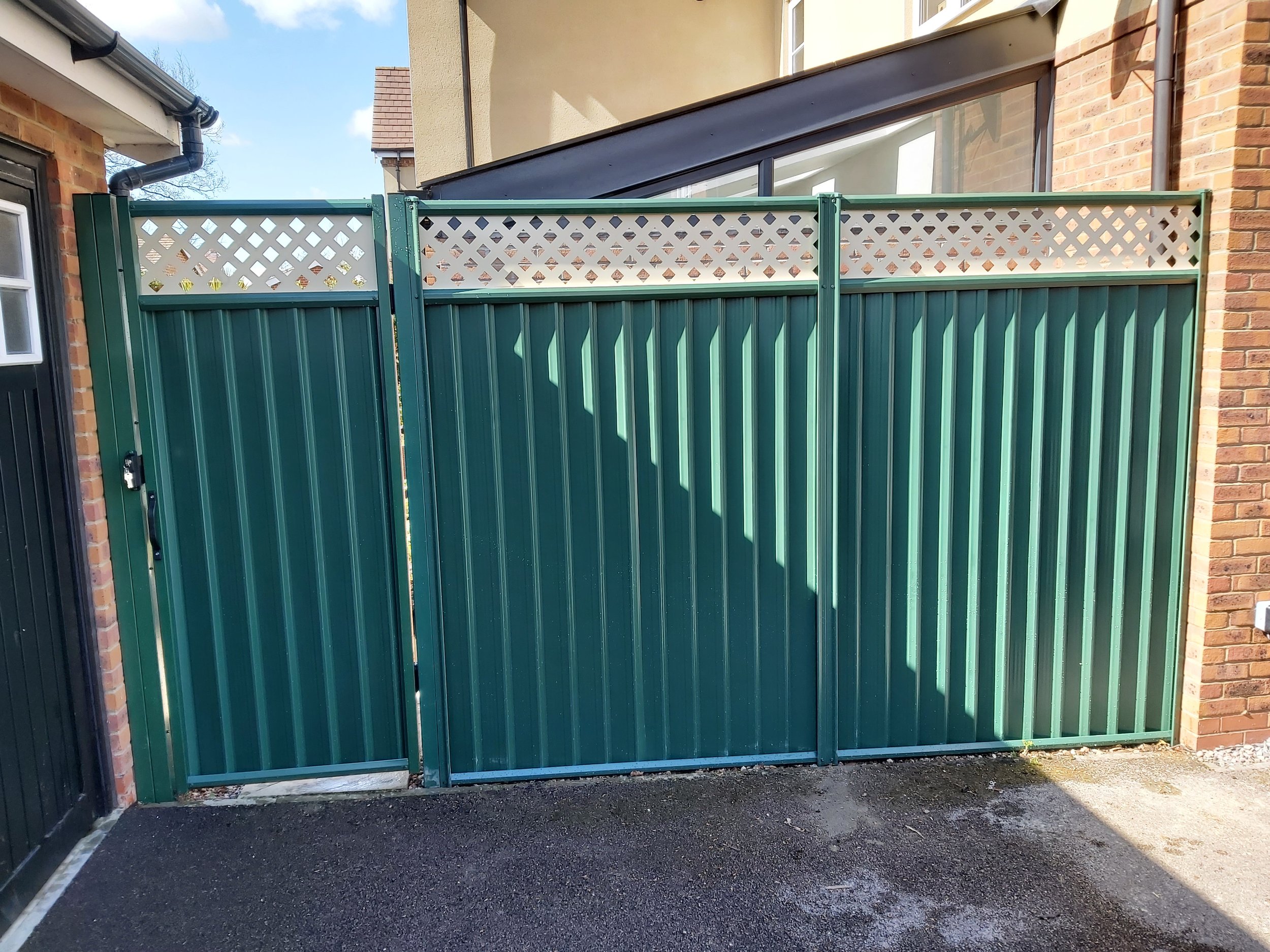
For most homes in England, you can put up or replace a fence without planning permission if it meets certain basic conditions set out via the Planning Portal. The headline limits are simple:
up to about 1 metre high where the fence is next to a highway used by vehicles (or the pavement along it)
up to about 2 metres high elsewhere on your property, such as typical side and rear garden boundaries.
If you go above these heights without permission, your local council can ask you to reduce or remove the fence, or to apply retrospectively, which is never guaranteed.
Because we work across Bedfordshire and Hertfordshire, we always encourage checking local guidance, as some councils issue extra notes for corner plots and prominent locations.
Front garden and highway boundaries
The strictest height limits apply where your boundary runs along a highway used by vehicles (which includes the pavement beside it), typically at the front of your property. In these situations, fences, walls or gates are generally limited to about 1 metre high without planning permission, with the intention of maintaining visibility for drivers and pedestrians. If you want something taller, you are likely to need to apply for planning consent, and the council will consider factors such as sightlines, safety and the character of the street. In practical terms, we often advise customers to combine a lower front fence or wall with planting if they want more privacy without overcoming that 1 metre threshold too obviously.
Corner plots can be more complex, because what feels like a side garden to you may still count as a front boundary in planning terms if it runs alongside a highway. If you live on a bend or a junction in Bedfordshire, it is particularly important to clarify this before replacing a low fence with a taller one, as the visibility requirements can be more stringent. We are always happy to talk this through during a survey and, if necessary, suggest configurations that give more privacy within the garden while keeping boundary lines within the typical 1 metre guidance near the road or pavement. For clear, official wording, the government’s Planning Portal is the best starting point.

Side and rear garden boundaries
For side and rear boundaries that are not next to a highway, the usual maximum height without planning permission is around 2 metres from ground level. This is why most garden fences you see between neighbouring rear gardens are about 1.8–2 metres high; it gives a good sense of privacy while staying within what councils expect as the norm. If you are replacing an existing fence of a similar height, you can normally do so without needing any additional approvals, provided you do not increase the height above that 2 metre guideline. This is the kind of work we carry out every week in Bedfordshire, and we can advise on panel heights and post lengths to keep everything compliant.
There are some important exceptions. If your property or your neighbour’s is a listed building, or the fence forms a boundary with the curtilage of a listed building, you will usually need planning permission whatever the height. Likewise, if you want to go above 2 metres – for example, for a very tall screen in an overlooked garden – an application to your local planning authority is normally required. Councils can also take account of how height is perceived from different ground levels if gardens are at markedly different heights, so it is always worth mentioning any unusual level changes when we visit. In all cases, a quick check with the local authority before committing to an unusual height is good practice.
Shared boundaries and neighbour considerations
Even when you are firmly within the national height guidelines, neighbour relations are just as important as the official rules. While the law does not require neighbour consent for typical fence heights on your own land, a friendly conversation about proposed changes can prevent misunderstandings later. We often see better outcomes where neighbours agree a shared style and height, sometimes even sharing costs on long boundaries to achieve a consistent look. Organisations such as Citizens Advice provide helpful plain‑language guidance on boundary responsibilities and dispute resolution, which can be reassuring if you are unsure where you stand.
From our side, we always work to clear, agreed fence lines and confirm in writing what we will install and where, so everyone knows what to expect before we start. If there is any doubt about the actual boundary, it is wise to look at title plans or speak to your solicitor or the Land Registry before commissioning major changes. In Bedfordshire and Hertfordshire, we are used to working in tight terraced plots as well as open suburban gardens, and a short chat on the day of the survey often resolves questions about line and height quickly. The combination of staying within the usual 1 metre and 2 metre rules and keeping communication open tends to avoid problems for most homeowners.
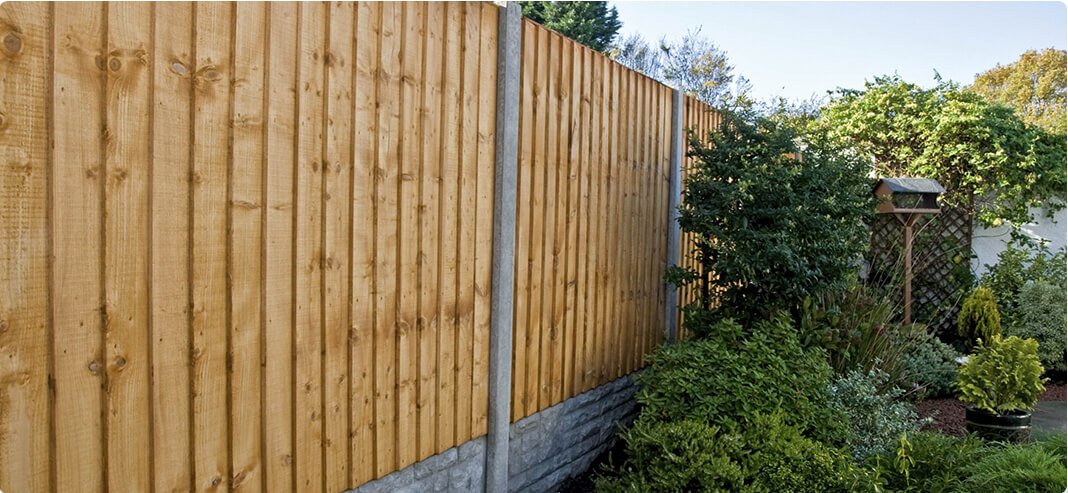
How we help you stay compliant
Our role is to make sure your new fence looks right, performs well and respects both neighbours and local planning expectations. During a quote visit, we will discuss the height you have in mind, explain how it fits within the usual UK rules and highlight any areas that might warrant a closer look from the council’s point of view. Where customers want extra height for privacy, we can sometimes achieve the effect with clever design – such as strategic planting or set‑back screens – rather than pushing the main boundary above 2 metres. That way, you get the experience of a more secluded garden without falling foul of the regulations.
Because we supply both timber and ColourFence‑type steel systems in a range of heights, we can offer options that sit neatly within the standard planning framework while still giving excellent privacy and security. If you are unsure, a quick call to your local planning department or a look at the Planning Portal will give the official position, and we are happy to work with any conditions they set. Ultimately, our goal is for your new fence to feel like a long‑term improvement, not a source of worry, and understanding the height rules from the outset is a key part of that. Contact us today to learn more!
