
Top 5 Signs You Need New Fence Panels This Year
Over the years, we have inspected thousands of garden fences across Bedfordshire and Hertfordshire, and we see the same warning signs again and again when panels are coming to the end of their life. Many of these issues start small, a little leaning, a patch of discolouration, a cracked board, but they can quickly turn into bigger problems, especially after a winter storm. Knowing when to stop patching and start planning a replacement can save you money, improve security and make your garden a more enjoyable space to spend time in.
While every fence we see has its own story, there are five clear signs that we encourage homeowners to look out for. If you recognise one or more of these in your own garden, it may be time to think about new panels, upgraded posts or even a change of material to something more durable such as ColourFence. We will go through each sign in turn and explain what it usually tells us about the condition of the fence overall, based on our day‑to‑day installation experience. Spotting these issues early means you can plan replacement on your terms rather than reacting to a collapse at the worst possible moment.

1. Your fence is leaning or wobbly
A slight lean after a particularly windy spell is not uncommon, but a consistent or worsening lean is one of the clearest indicators that your fence structure is failing. In many cases, the problem lies with rotting wooden posts, inadequate concrete footings or soil that has been softened by prolonged wet weather. Once a post starts to move, it transfers stress along the fence line, and we often see one leaning panel eventually pull its neighbours out of alignment. At this stage, patch repairs tend to be short‑lived; replacing posts and panels is usually the safest and most economical solution.
From a safety point of view, heavy timber panels or even metal sections can cause injury or damage if they fall in strong winds. For households with children, pets or public footpaths on the other side of the fence, this is more than just a cosmetic concern. When we assess a leaning fence, we look at the condition of the posts first and then the panels, advising whether a partial or full replacement is the most sensible option. In some cases, it is an ideal opportunity to switch to a longer‑lasting, low‑maintenance system, especially where exposure to wind has been a recurring problem.
2. Rot, decay and discolouration
Rot is a common end‑of‑life issue for older timber fences, especially near the ground where moisture lingers and protective treatments are most likely to fail. You may notice soft, crumbly wood, grey or yellow staining, fungus or sections that give way under light pressure, all of which point to decay that is unlikely to be reversible. Once rot sets in, it tends to spread, and we often find that what looks like a small area of damage masks more extensive deterioration along the base of panels and posts. In practical terms, that usually means replacement rather than repair.
Discolouration and surface mould can sometimes be cleaned away and treated, but if panels have lost their structural strength, further spending on cleaning products and stains will not restore their integrity. In this situation, replacing the fence allows you to reset the clock with properly treated timber or to move to a metal system with no risk of rot at all. Many of our customers choose ColourFence specifically to avoid ever dealing with rotten panels again; the steel construction and protective coatings remove that entire category of maintenance from the garden. Over time, the savings in treatments and avoided repairs can be considerable.
3. Broken, cracked or missing boards
Visible cracks, broken boards and missing sections are another clear sign that fence panels are nearing the end of their serviceable life. These issues are often caused by a combination of age, weather stress and occasional impacts, and they tend to appear more frequently once the timber has dried out and become brittle. Gaps in the fence compromise privacy and security, and they can allow pets to escape or make it easier for opportunistic intruders to gain a foothold. While occasional minor damage can be patched, repeated breakages in different areas usually indicate that the whole panel is weakened.
We regularly replace fences where homeowners have spent years nailing on extra battens or patching individual boards, only to find that more problems keep appearing. At that point, replacement panels or a new fence line are a better investment than continuing to prop up tired timber. During a survey, we will always be honest about whether patching is still sensible or whether your money would be better spent on new panels altogether. For many customers, upgrading to a stronger design or a different material at this stage is a chance to improve both appearance and performance in one go.
4. Repeated storm damage
Storms have become a regular feature of British winters, and we see a surge in calls after each major weather event from homeowners whose fences have suffered. If your panels or posts have blown down more than once in recent years, even after repairs, it may be a sign that the design or installation simply is not up to the conditions in your location. Weak posts, shallow footings, low‑grade panels or very exposed positions can all contribute to repeated failures, and eventually it becomes more cost‑effective to rebuild properly than to keep replacing odd sections. We always design new installations with local wind exposure in mind, using sturdy posts and correct foundations to give the fence the best chance of standing firm.
In some situations, we recommend switching to a different style or material to improve wind resistance, such as moving from very lightweight panels to stronger closeboard, or from tired timber to a more rigid steel system. The aim is not only to repair the immediate damage but to give you a fence that is less likely to fail again the next time the weather turns. National home‑improvement sites such as the HomeOwners Alliance often highlight the importance of sturdy boundary structures in exposed locations, and our on‑site assessments reflect that same thinking. Over the long term, a well‑designed, professionally installed fence saves both stress and money compared with repeated emergency fixes.
5. Your fence lets your whole garden down
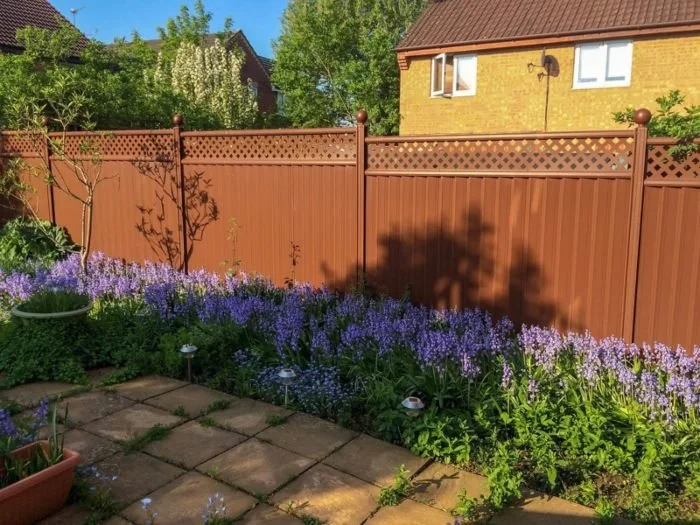
Finally, there comes a point where a fence may be structurally standing but visibly tired, flaking paint, severe fading, rough splintered surfaces and mismatched repairs can make even a lovely garden feel neglected. We often meet homeowners who have invested in patios, planting and garden buildings, only to feel that the old boundary line drags the overall appearance down. If you are hesitant to entertain, take photos or spend more time outside because you are embarrassed by the state of the fence, that is a strong indicator that replacement will be worth it. A fresh, well‑designed fence can completely lift the feel of the space.
Replacing panels gives you the chance to rethink height, style, colour and material so the boundary becomes a positive feature rather than something you try to ignore. For example, many of our customers are now choosing smart, low‑maintenance ColourFence in modern colours to complement outdoor furniture and planting plans, safe in the knowledge that the finish will stay looking good for decades. Others prefer the character of new timber, but with better‑specified posts and treatments than their previous fence had. Whatever direction you choose, our experience across Bedfordshire and Hertfordshire means we can suggest options that suit your home, your budget and the way you actually use your garden, so your new fence feels like a genuine upgrade rather than a grudging necessity.
