
Wood Fencing
As specialists in the supply and installation of all types of timber fencing, we use our experience to design and plan fencing structures that suit your garden, match your property, and fit your budget. If you’re comparing fence installation cost, we offer clear, straightforward pricing and expert guidance to help you make the right decision for your home.
Upgrade your outdoor space with high-quality timber fencing that provides durability, value and long-lasting style.
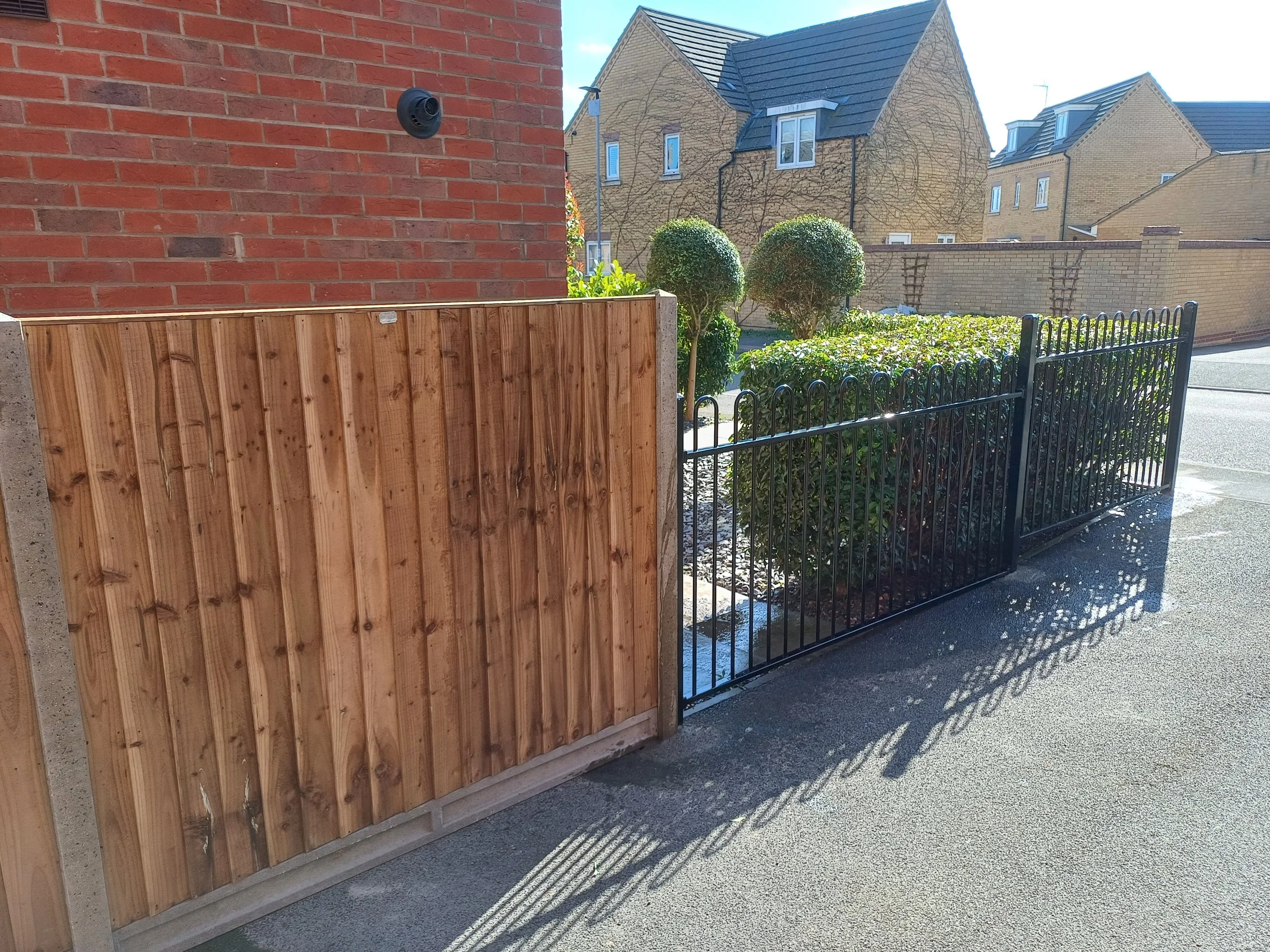
Simple timber fence panels, with concrete posts and gravel boards
Featheredge (in 3m situ bays) and close-board (panels) fencing
Picket Fencing
Slatted Panels
Tongue & Groove or Feather Edge Gates
-
![]()
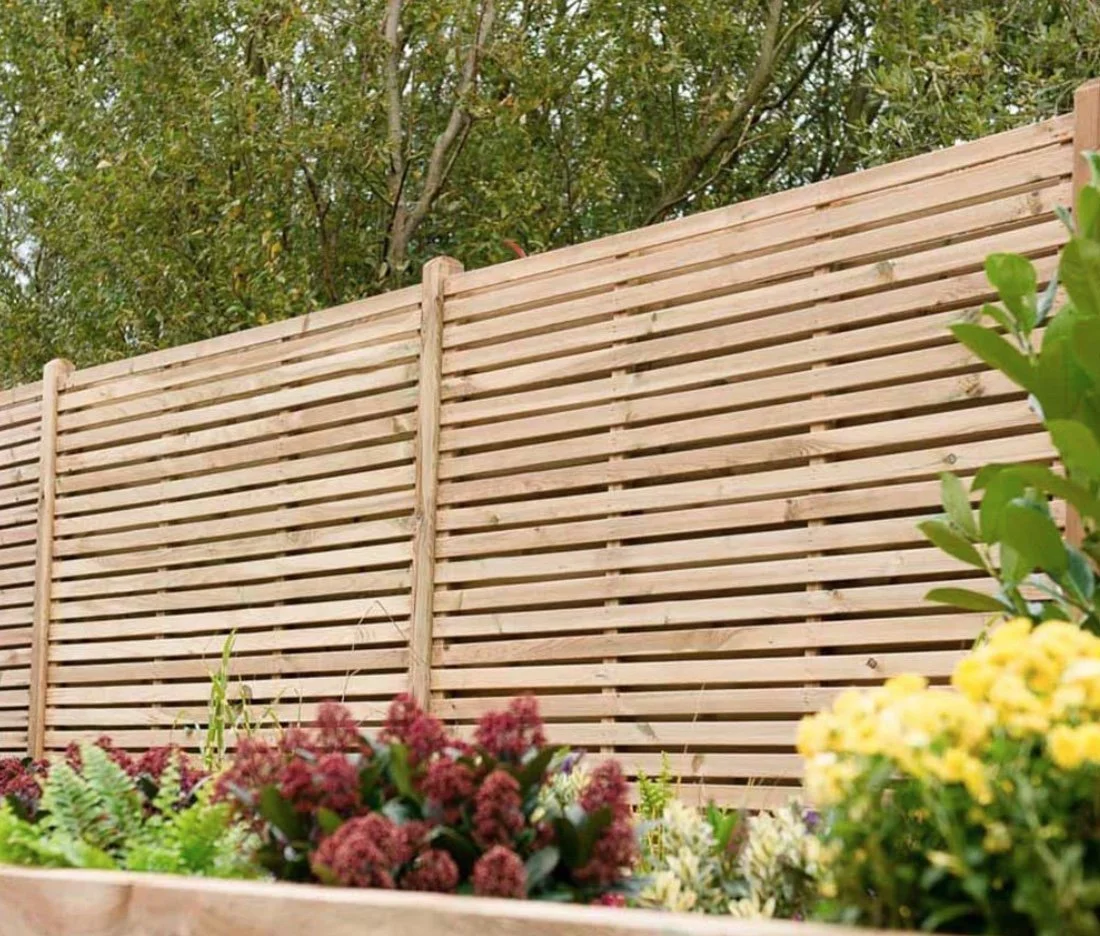
Single-Slatted Timber Panels
Contemporary slatted fencing that creates a lighter, more open feel while still defining your space, great for modern gardens where airflow and a clean-lined look are priorities.
-
![]()
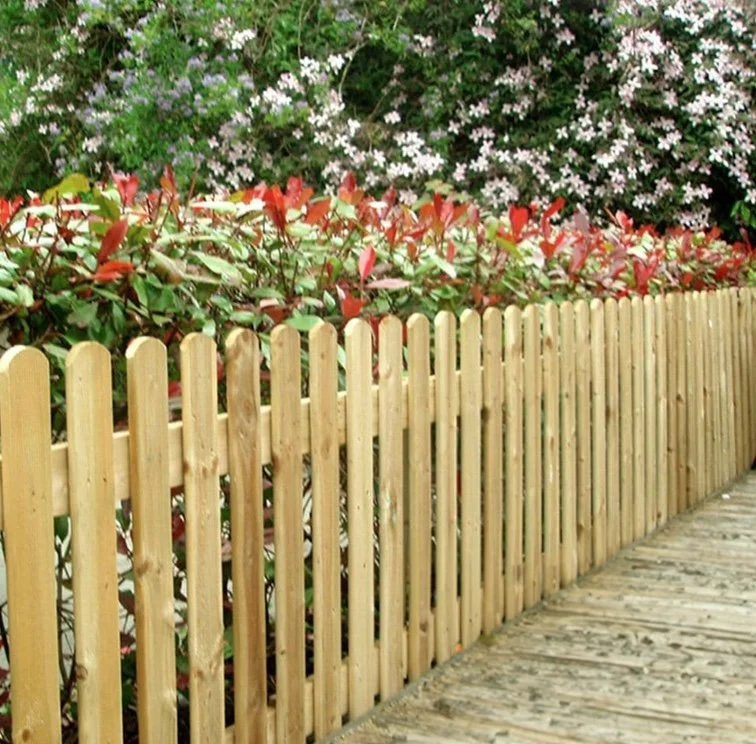
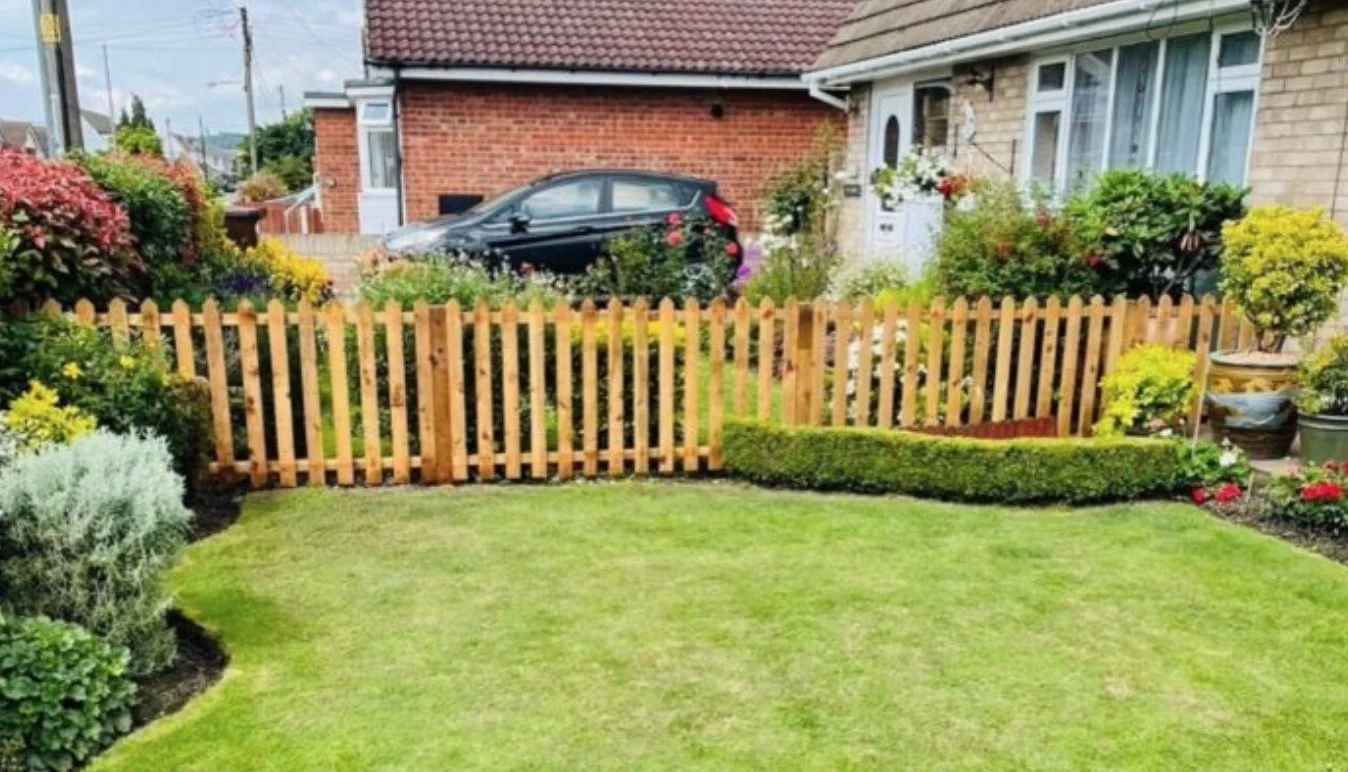
Round Top Picket Fencing
Traditional round top picket fencing for front gardens and pathways, offering a welcoming boundary that keeps visibility while adding character and kerb appeal.
-
![]()
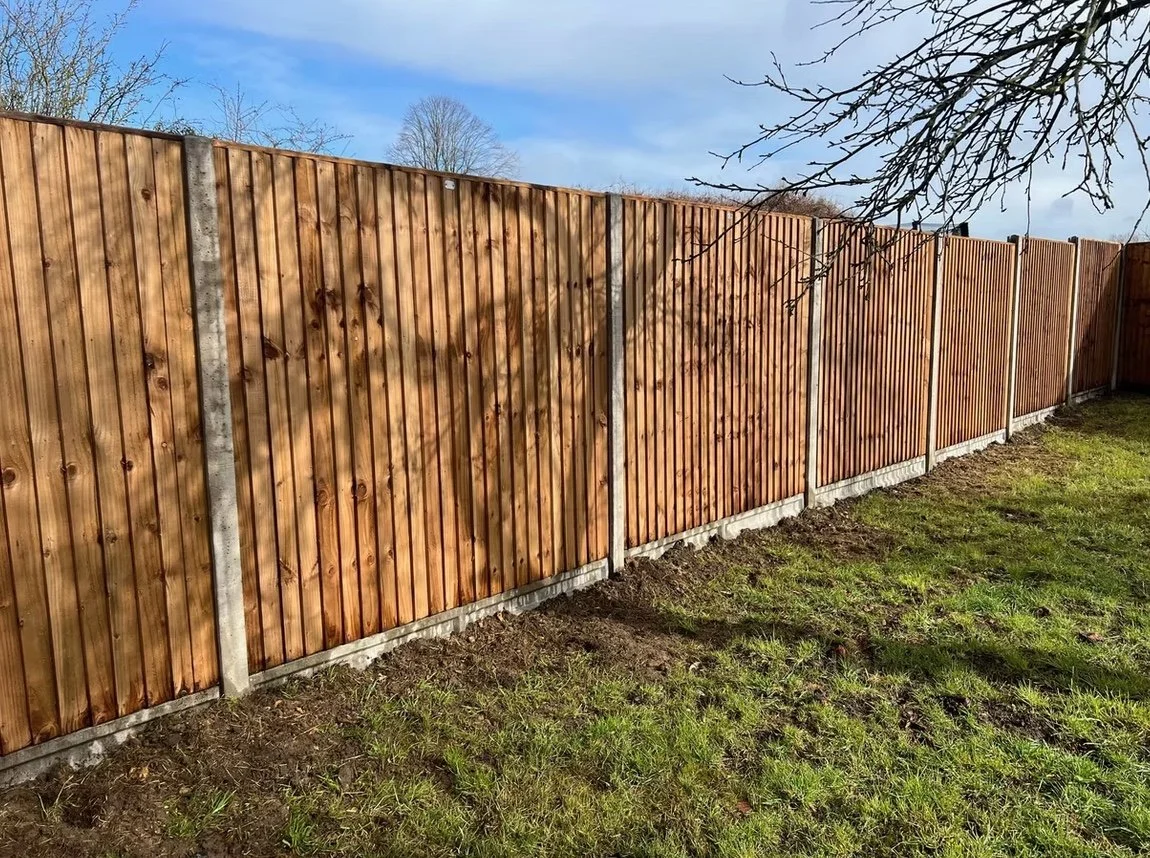
Feather Edge Panels
A long-run feather edge installation designed for secure perimeter fencing, providing consistent screening and a durable timber solution for larger garden or property boundaries.
-
![]()
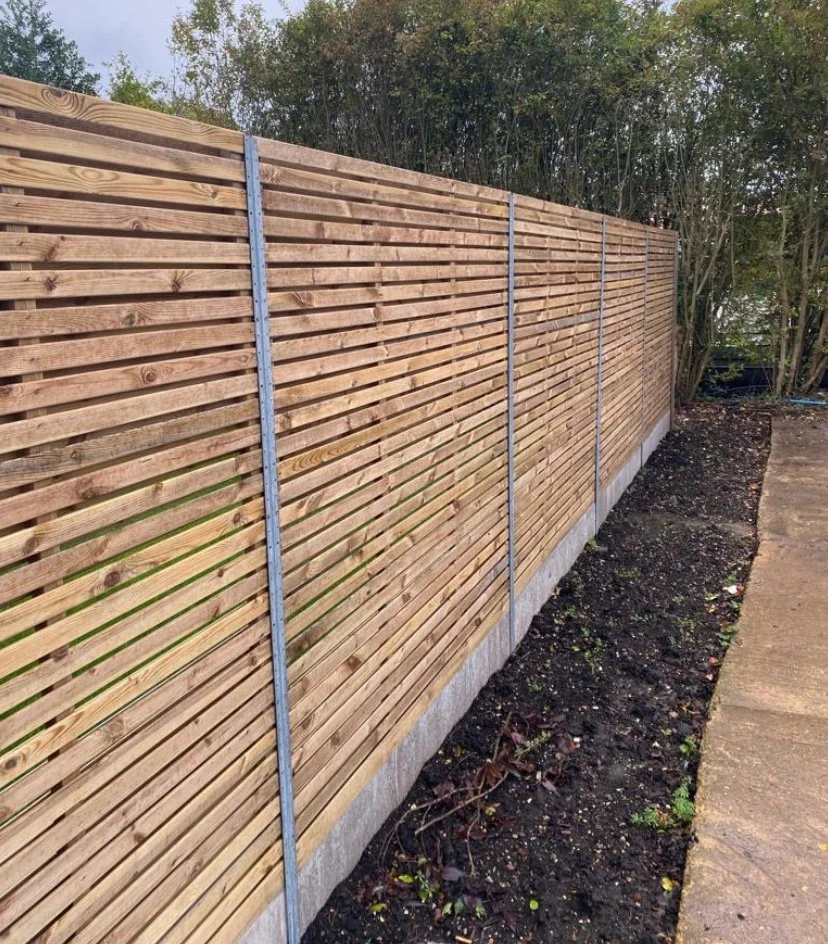
Double Slatted Timber Fence Panels
Modern double slatted fencing that creates a sleek, contemporary boundary with a semi-private finish, ideal for gardens where you want airflow and a premium look.
-
![]()
Pointed Top Picket Fencing
Classic pointed-top picket fencing for front gardens, lawns, and pathways, offering a neat boundary that adds kerb appeal while keeping the space open and welcoming.
-
![]()
Feather Edge Panels
Durable feather edge panels that provide strong privacy and security, perfect for side boundaries and screening, with a traditional timber style suited to most UK homes.
Book a Wood Fencing Consultation Today
If you are considering Timber Fencing, ColourFencing, new garden gates, or decorative railings, we can help you move your project forward. Contact us to arrange a consultation in Hertfordshire or Bedfordfordshire and discuss your preferred styles and installation requirements. Our aim is to provide clear guidance and dependable results for every customer.
Please fill out the contact form to get a quote or contact us via email or phone to speak to our friendly team!
Phone: 01234 949 000 or 07940 566 046
Email: patrick@wardfencing.co.uk



Timber Fencing Installation Process
Design
We have loads of colours and design styles. Take a look at our range of get in touch to discuss options
Quote
Contact us for a no obligation quote. We’ll arrange a site visit at a time that suits you
Install
Our mission is to deliver innovative, high-quality products with a customer-focused, ethical approach, ensuring no-maintenance, value, and long-lasting gardens that exceed expectations.
FAQ’s About Wood Fencing
-
The best wood fencing options for gardens, balancing privacy, durability, and cost, include Closeboard/Featherboard, Western Red Cedar or Redwood, Hit and Miss, Larch‑lap/Overlap, picket, and trellis, especially when you choose pressure‑treated panels for added rot protection.
Closeboard/Featherboard: Strong, solid boards that create an excellent privacy screen and secure boundary.
Western Red Cedar / Redwood: High‑end timbers with long life, natural resistance to decay and insects, and a warm, attractive appearance.
Hit and Miss: Alternating boards that allow wind to pass through, making them ideal for exposed gardens while still giving good privacy.
Larch‑lap/Overlap panels: A popular budget choice that offers reasonable privacy and is quick and simple to install.
Picket (palisade) fencing: Great for front gardens, giving a classic, welcoming look while keeping some visibility.
Trellis panels: Useful for topping walls or fences, dividing areas, and supporting climbers without fully blocking light or views.
-
A well-built wooden fence in the UK will usually last around 10–15 years, but with higher grade, pressure-treated timber and good installation, it can comfortably reach 20–25 years or more. Softer, cheaper panels and untreated posts tend to have the shortest lifespans (sometimes as little as 5–10 years), while premium softwoods and hardwoods like cedar can keep performing for several decades when they are looked after.
How long your fence actually lasts mainly depends on:
Treatment: Pressure-treated timber resists rot far better than dip-treated or untreated wood.
Installation: Keeping posts and panels out of direct soil contact with concrete or metal post systems and gravel boards slows rot at the base.
Maintenance: Simple habits like yearly checks, cleaning, and reapplying stains or preservatives every few years protect against moisture damage.
Timber type: Standard softwoods (like pine or spruce) sit in the 10–15 year bracket, whereas denser or naturally durable species often last significantly longer.
Common signs that a wooden fence is nearing the end of its life include crumbling or rotten bases, loose or leaning posts, cracked or broken rails, and panels that are heavily warped or sagging.
-
A typical wood fence from Ward Fencing is priced per metre band for materials only, based on concrete posts and 1 ft concrete gravel boards, with installation charged separately. As a rough guide:
Up to 5m (around 2 panels): from £252.00 materials-only for a 1.8m high fence
5–10m (around 4 panels): from £504.00 materials-only
10–15m (around 6 panels): from £756.00 materials-only
15–20m (around 8 panels): from £1,008.00 materials-only
20–30m (around 13 panels): from £1,638.00 materials-only
These prices cover the timber panels, concrete posts, and 1 ft concrete gravel boards, and do not include the cost of professional installation. For a more accurate figure tailored to your garden and chosen fence style, you can use our online cost calculator and then request a full supply-and-fit quotation.
-
In most cases you will not need planning permission for a new wooden garden fence in the UK if it is under 2 metres high, or under 1 metre where it runs next to a road or pavement used by vehicles. However, rules are stricter if the fence is beside a public highway, in a conservation area, or within the grounds of a listed building, so it is always worth checking before you start.
Key points to keep in mind:
Height: Up to 1m next to a highway or pavement, up to 2m elsewhere before permission is usually needed.
Location: Extra rules apply for listed buildings, conservation areas, and places where permitted development rights have been restricted.
Replacements: Swapping an old fence for a much taller one can trigger the need for planning approval.
Access and rights of way: You cannot put a fence across a public right of way or block established access.
Neighbours: You do not normally need consent if the fence is fully on your land, but discussing shared or unclear boundaries with neighbours is strongly advised to avoid disputes.
Because councils can apply extra local controls, the safest approach is to check your specific situation with your local planning authority or the national Planning Portal guidance before installing a new fence.