
How Much Does a New Garden Fence Cost in the UK? (2026 Guide)
When we speak to homeowners about new garden fencing, the first question is almost always about cost, and it’s a fair one, a fence is a long‑term investment in privacy and security. In this guide, we’ll walk through the typical 2026 price ranges you’re likely to see in the UK, explaining what actually drives the cost so you can budget with confidence rather than guesswork.
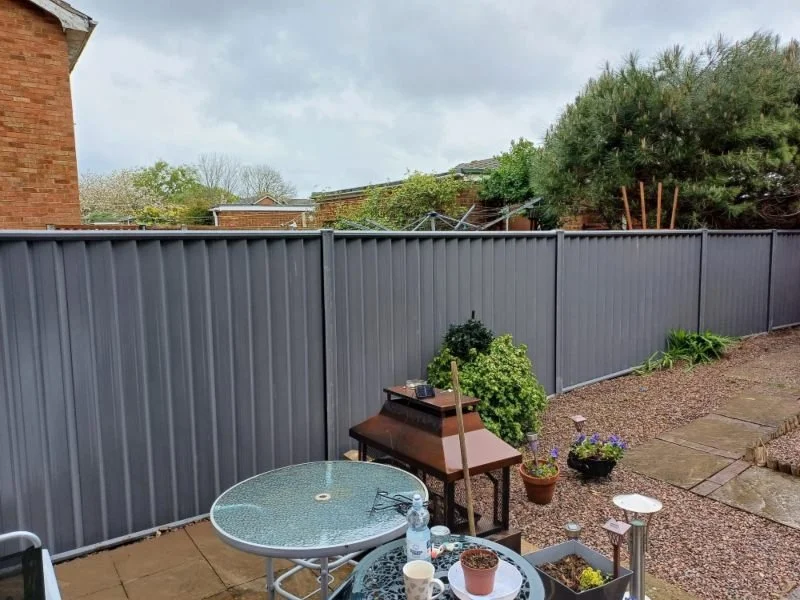
3 Factors that Affect the Price of a New Fence
The price of a new fence is affected by three big factors: the material you choose, the length and height of the fence line, and the complexity of the installation (access, ground conditions, and any obstacles).
Standard wooden garden fencing remains the most affordable option upfront, but it does require ongoing treatment and occasional repairs over its life, which is something many of us overlook when comparing quotes.
High‑quality metal systems such as ColourFence typically cost more to install but come with long guarantees, virtually no maintenance and far better long‑term stability, so they can work out more economical over 20–25 years. What we always encourage is looking beyond the price per panel and thinking in terms of cost per year of use.
Typical 2025 garden fencing price ranges
As a rough guide, a basic timber fence will usually sit at the lower end, with premium steel systems at the upper end, but actual quotes are almost always given per metre rather than per panel once we have seen the site.
Factors such as corner posts, gate openings, changes in level and removal of old fencing can easily shift the final figure up or down, which is why a site visit is so important.
We always provide a free, no‑obligation quote after measuring up and talking through your priorities so there are no surprises when the work starts.
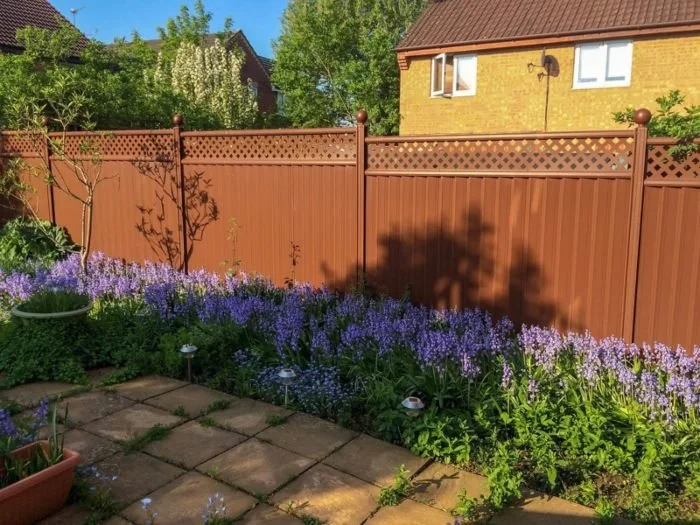
Material choices and how they affect cost
Timber fencing is usually the starting point on cost, especially when you look at standard closeboard or panel fencing for typical back gardens. The trade‑off is that wood needs regular treatment to protect it from moisture, rot and UV damage in the British climate, and panels may need replacing sooner if they are exposed or poorly maintained. Over 10–15 years, those tins of stain and those replacement panels add up.
Metal fencing, and specifically systems like ColourFence and ColourRail, sits higher on initial price but lower on lifetime expenditure thanks to its durability and long guarantee. Because these products are manufactured from galvanised steel with protective coatings, they are designed to withstand rain, wind and UV without cracking, rotting or needing repainting every couple of years. For many of our customers, the appeal is knowing that once the fence is installed, there is essentially no maintenance beyond the occasional hose‑down, which is particularly attractive for busy households and older homeowners who do not want ongoing upkeep. We also offer matching ColourGate options, so you can tie gates and fencing together from the outset without needing to retrofit later at extra cost.
Installation, access and “hidden” cost factors
Even with the same panels, two gardens rarely cost the same to fence because of access and ground conditions. If we can park close by and carry materials straight in, installation time and therefore labour cost, is lower than a situation where everything has to be moved through the house or via a long, narrow side path. Rocky ground, heavy clay or a lot of buried rubble can mean we need to spend longer digging or use extra concrete, which again will be reflected in the final quote. Removing and disposing of old panels and posts is another line item; we can build this into the quote so you don’t have to organise separate waste collection or extra trips to the local recycling centre.
A good rule of thumb is that the more preparation work required to get a strong, straight and secure fence line, the more labour will influence the cost compared to materials alone. This is why we always prefer to visit in person and talk through any changes you are considering, such as repositioning boundaries or adding gates, rather than pricing blind from a photo. It is also worth checking if you plan to increase the height of an existing fence; you may need to consider planning rules if you are going above the usual limits, particularly near highways or footpaths. The better prepared we all are at this stage, the smoother and more accurate the quotation process becomes.

Planning rules, height and budgeting
Fence height has a direct effect on cost, taller fences need longer posts, deeper holes, more concrete and more material overall. In most UK gardens, you can go up to around 2 metres in height on side and rear boundaries without planning permission, but front boundaries or fences next to highways and footpaths are usually restricted to about 1 metre unless you get approval. It is always sensible to factor these rules into your budget early on, because there is little point pricing a 2.1m fence at the rear if your local authority is unlikely to allow it. When we visit, we can discuss your priorities for privacy and security and suggest solutions that respect both your budget and current UK guidance.
For many homeowners, the sweet spot is a good‑quality fence at or just under 2 metres in the back garden, with a lower, more open style at the front if needed to stay within the 1 metre guideline without having to apply for planning permission. This approach keeps costs sensible while still delivering the privacy and protection you expect. The Planning Portal remains the authoritative national resource if you want to read the full rules yourself, and your local council’s website will give any area‑specific details. If you prefer, you can simply ask us during a quote visit, we regularly talk customers through what is typical and acceptable in Bedfordshire and the wider region.
Getting a realistic quote for your garden
The most reliable way to understand what a new garden fence will cost in 2025 is to arrange a free site survey so we can measure accurately, check access and explain the differences between timber and ColourFence‑style systems face to face. We always provide written quotes so you can compare options and decide whether to invest in longer‑lasting, low‑maintenance fencing or keep the initial spend lower with timber and accept the upkeep that comes with it. Either way, our role is to share our experience, explain the trade‑offs clearly and install a fence that feels like good value year after year for your home.
